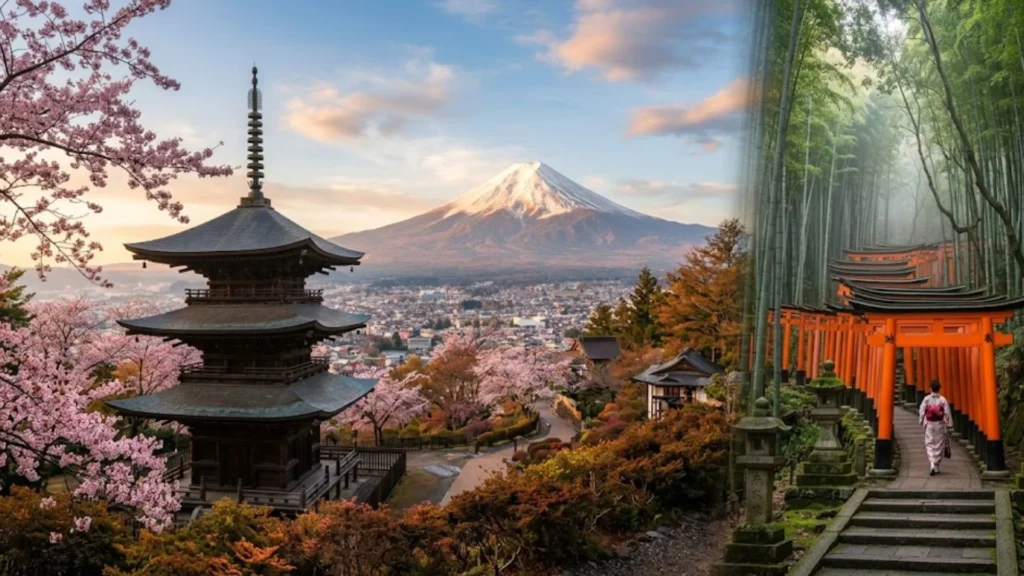
25 Destinations to Visit in Japan That Will Mess You Up
So you want real destinations to visit in Japan. Not the glossy brochure nonsense. I mean the places that hit you like a warm can of vending machine coffee at 2 a.m.
The best places to visit in Japan aren’t always on postcards. Sometimes they’re down a rainy alley in Osaka. Or a silent temple at 6 a.m. before the crowds ruin everything.
I’ve been to Japan six times. I’ve missed trains. Eaten weird fermented beans (still hate them). Cried happy tears at a cherry blossom viewing party in Tokyo.
This Japan travel guide covers Japan sightseeing spots that actually deliver. Must-visit places in Japan for first-timers. Famous places in Japan that deserve the hype. And hidden gems in Japan that your travel friends have never heard of.
Let’s go. No fluff. No corporate robot language. Just the good stuff.
Tokyo – The Glorious Chaos You Didn’t Know You Needed
Tokyo is a punch to the senses. In the best way possible.
You step out of Shinjuku Station and BAM. Neon signs screaming in Japanese. A million people walking past you like salmon swimming upstream. Pachinko parlors are buzzing like angry bees.
This is one of the top Japan vacation destinations for a reason. It never sleeps. It never apologizes.
Places to visit in Tokyo that actually rule:
- Shibuya Crossing – Watch the human tsunami from the Starbucks window. Then dive in. You won’t die. Probably.
- Senso-ji Temple – A traditional Japanese temple that’s 1,300 years old. Go at sunrise. Zero tourists. Just monks and pigeons.
- Shinjuku Golden Gai – Six tiny bars crammed into alleyways. Each seats like 8 people. You’ll make friends with a retired carpenter who only speaks Japanese. You’ll both laugh anyway.
- Meiji Shrine – A Shinto shrine tucked inside a forest. In the middle of the city. That’s not a typo. One minute you’re near Harajuku’s crazy fashion shops. Next minute, you’re walking a quiet gravel path under 100-foot trees.
Real talk: I once spent two hours in Akihabara’s anime and manga attractions. Didn’t even like anime before that trip. Left with a tiny figurine of a cat wearing a samurai helmet. No regrets.
Tokyo is loud. It’s expensive in spots. But it’s also one of the best destinations in Japan for first-time visitors because it eases you into the weirdness.
Pro tip: Get a Suica card for trains. Your phone works too now. But the card feels cooler. Like you belong.
Kyoto – Where Time Moves Slower (And Temples Grow Like Weeds)
Kyoto is the opposite of Tokyo.
It’s quiet. It smells like incense and old wood. People bow deeper here.
This city holds more UNESCO World Heritage Sites in Japan than anywhere else. Seventeen of them. That’s not a flex. That’s just Tuesday in Kyoto.
Places to visit in Kyoto that will rearrange your brain:
- Fushimi Inari Shrine – Thousands of red gates winding up a mountain. Walk the full trail. Takes two hours. Tourists quit after 20 minutes. That’s when it gets magical.
- Arashiyama Bamboo Forest – Those photos you’ve seen? Real. But go at 7 a.m., or you’ll just photograph other people’s selfie sticks.
- Kinkaku-ji (Golden Pavilion) – A Japanese garden wrapped around a gold-leaf temple. It hurts to look at. In a beautiful way.
- Gion District – A historic district in Japan where geishas still walk to tea ceremonies. Keep your phone down. Don’t chase them. Just watch.
I messed up my first Kyoto trip. Tried to see ten temples in one day. By temple five, I couldn’t remember which was which. They all blurred into “that wooden one with the nice pond.”
Lesson learned: Slow down. Pick three cultural attractions in Japan per day. Sip matcha between them. Touch the old walls. Kyoto rewards patience.
Autumn foliage in Japan peaks here in November. The red and orange leaves make everything look like a painting. Same with cherry blossom viewing in April. Book hotels six months early or sleep in a capsule. Your call.
📍 JAPAN TOURS & TRAVELS • TOP 5 DESTINATIONS
| Destination | Best Time to Visit | Tours & Travel Experiences | Recommended Duration |
|---|---|---|---|
| 🇯🇵 Tokyo | March–May (cherry blossoms) October–November (mild & crisp) |
• Private city highlights tour (Asakusa, Shibuya, Shinjuku) • Tsukiji outer market food walk + sushi-making class • Day trip to Mount Fuji & Hakone with ropeway & cruise • Sumo stable morning practice viewing (seasonal) • Ghibli Museum & Akihabara anime adventure tour |
3–5 days |
| 🍵 Kyoto | Late March–early April (sakura) Mid-November–early December (autumn foliage) |
• Fushimi Inari thousand gates hike & photo tour • Traditional tea ceremony & kimono dressing experience • Arashiyama bamboo forest + Sagano scenic railway ride • Gion district geisha performance & ochaya cultural walk • Night temple illumination tours (spring/autumn specials) |
2–4 days |
| 🍜 Osaka | March–May (pleasant, festivals) September–November (cooler, less humidity) |
• Dotonbori neon night street food tour (takoyaki, okonomiyaki) • Osaka Castle history walk + samurai armour experience • Universal Studios Japan express pass + Super Nintendo World • Shinsekai retro arcade & kushikatsu tasting tour • Day trip to Nara: deer park & Todai-ji temple (half day) |
2–3 days |
| 🗻 Mount Fuji & Hakone | April–June (clear views, fresh green) October–November (autumn colours, dramatic skies) |
• Hakone loop tour: ropeway, Owakudani volcanic valley & pirate ship cruise • Lake Kawaguchiko e-bike tour with Fuji reflection spots • Private onsen (hot spring) day trip from Tokyo with kaiseki lunch • Fuji Fifth Station guided climb briefing (July–Sep only) • Scenic train journey on Odakyu Romancecar + open-air observatory |
1–2 days (overnight recommended) |
| ❄️ Hokkaido | December–February (powder snow & ski season) July–August (lavender fields & mild weather) |
• Niseko ski or snowboard package (gear & English lessons) • Sapporo Snow Festival guided tour + ice sculpture exhibits • Furano flower fields & Biei panoramic bus tour (summer) • Shiretoko National Park cruise & wildlife trek (brown bears, deer) • Noboribetsu onsen & Jigokudani “Hell Valley” walking tour |
4–6 days |
🎒 tour & travel note — All listed experiences are offered by licensed tour operators in Japan. Group tours, private guides, and self-guided packages available. Always check seasonal operation for climbing (Fuji), ski resorts (Hokkaido), and illuminations. Information updated 2025–2026.
Osaka – The Loud, Proud Food Baby of Japan
Osaka doesn’t try to be pretty.
It tries to be delicious.
This is the Japanese street food capital of the universe. Takoyaki (octopus balls). Okonomiyaki (savory pancake thing that makes no sense until you taste it). Kushikatsu (deep-fried everything on a stick).
Places to visit in Osaka that feed your soul:
- Dotonbori – A canal lit up with giant mechanical crabs and dragons. The local Japanese cuisine here will ruin restaurant food back home forever.
- Osaka Castle – A real Japanese castle from the 1500s. Samurai history everywhere. The museum inside is okay. The view from the top? Worth the climb.
- Shinsekai District – Old-school Osaka. Slightly rough around the edges. Cheap beer. Grilled meat on skewers. A giant tower that looks like the Eiffel Tower’s weird cousin.
- Universal Studios Japan – Yes, it’s a theme park. No, that’s not a waste of time. The Super Nintendo World section feels like you swallowed a video game.
I ate seven meals in Osaka one day. Seven. Started with ramen at 9 a.m. Ended with convenience store egg salad sandwiches at 1 a.m. (Don’t judge. Japanese conbini sandwiches are elite.)
Osaka is also a top family-friendly place in Japan. Kids love the castle, the aquarium (one of the world’s largest), and the street performers in Amerikamura.
One warning: People here speak the Kansai dialect. It’s rougher than Tokyo Japanese. Think Boston accent vs. California news anchor. You’ll be fine. Just nod and eat.
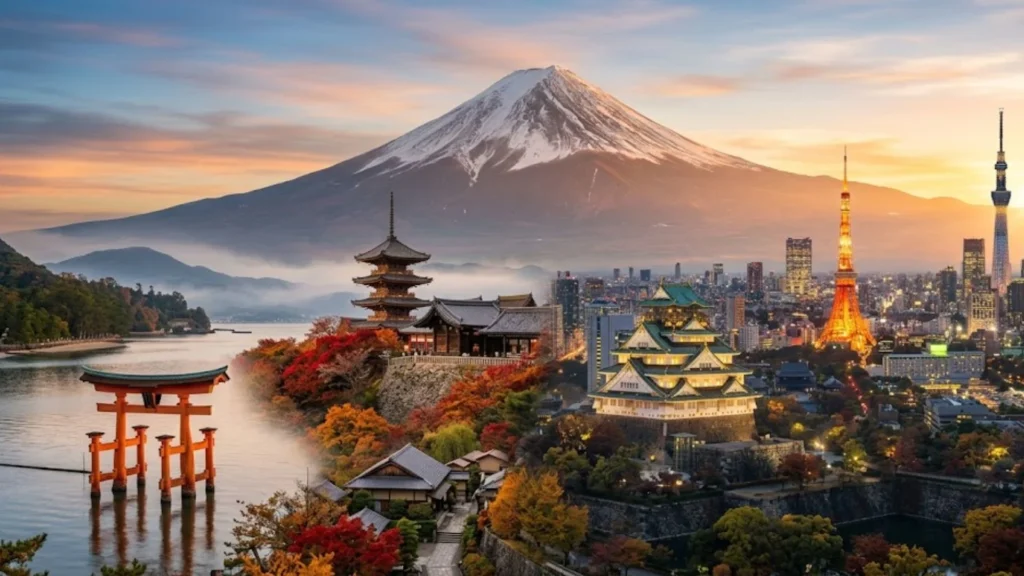
Hokkaido – Winter Wonderland (But Make It Weird)
Hokkaido is Japan’s northern island.
It snows here. A lot. Like, “your eyelashes freeze together” amounts of snow.
But that’s the point.
Places to visit in Hokkaido for snow lovers and weirdos:
- Niseko – Some of the best ski resorts in Japan. Powder snow so light it feels fake. Australians run most of the bars here. You’ll hear “g’day” more than “konnichiwa.”
- Sapporo – Famous for the Japanese festival Snow Festival every February. Giant ice sculptures. Beer that actually tastes good (Sapporo beer, obviously). Ramen alley with 17 tiny shops in one block.
- Shirahige Waterfall – A blue waterfall. Like, electric blue. Looks photoshopped. Isn’t.
- Biei – Rolling hills that look like a screensaver. Quiet Japanese countryside that makes you want to buy a farm and raise fluffy cows.
Hokkaido isn’t just a winter destination in Japan. Summer here is mild and green. Lavender fields in Furano smell like your grandmother’s soap. In a good way.
I tried skiing in Niseko. Fell 47 times. A six-year-old Japanese girl skied past me, doing perfect turns. I ate snow to hide my shame. Still had the best hot chocolate of my life after.
Onsen hot springs are everywhere in Hokkaido. Noboribetsu has hellish volcanic pools. Jigokudani (Hell Valley) smells like rotten eggs but feels like heaven on your sore muscles.
Pro tip: Learn the Japan travel tips for onsens before going. Wash before entering. No swimsuits (yeah, really). Tiny towel goes on your head, not in the water. You’ll survive the awkwardness after three minutes.
Okinawa – The Subtropical Secret Nobody Talks About
Most people forget Japan has tropical islands.
Okinawa is the Hawaii of Japan. But cheaper. And fewer timeshare salesmen.
Places to visit in Okinawa for beach lovers:
- Cape Manzamo – A giant elephant-shaped rock cliff. Sunset here is spiritual. Teenagers play ukulele badly. Old couples hold hands.
- Shurijo Castle – A rebuilt Ryukyu Kingdom castle. Different from mainland Japanese castles. Brighter colors. Chinese influence. A tragic fire damaged it in 2019, but they’re rebuilding.
- Kerama Islands – Island hopping in Japan at its finest. Water so clear you can see fish from the boat. Sea turtles everywhere. No crowds. Just peace.
- Okinawa Churaumi Aquarium – Whale sharks in a tank the size of a football field. Kids lose their minds here. So do adults.
Okinawa is one of the best places to visit in Japan for Japan adventure travel, too. Kayak through mangroves. Scuba dive in the blue caves. Hike to hidden waterfalls.
The food here is different. Goat soup. Bitter melon stir-fry. Purple sweet potato everything (tarts, ice cream, burgers – yes, purple potato burgers exist).
Coastal towns in Japan, like Onna and Nago, are perfect for slow travel. Rent a tiny car. Drive along the ocean. Stop at random Shinto shrines on cliffs.
Warning: Summer in Okinawa is hot. Humid. Like breathing soup. Go in May or October. Your sweat glands will thank you.
The Hidden Gems That Hit Harder Than Touristy Spots
The famous spots are great. But the hidden gems in Japan stick with you longer.
Here’s where the Japan travel itinerary gets weird:
- Nachi Falls (Wakayama) – A waterfall crashing down 133 meters next to a red traditional Japanese temple. UNESCO World Heritage Sites in Japan. Zero crowds because it’s a pain to reach.
- Shirakawa-go – Thatched-roof farmhouses in a snowy valley. Looks like a Ghibli movie. Because it inspired some of them.
- Tottori Sand Dunes – Yes, Japan has a desert. Camels included. Sandboarding included. It makes no sense. That’s why you’ll love it.
- Naoshima Island – Art museums buried underground. Giant polka-dot pumpkins by the sea. Yayoi Kusama’s weird genius is everywhere.
- Kiso Valley – An old samurai history trail between two historic districts in Japan. Walk for 8 km through cedar forests. Stay in a 200-year-old inn. Eat river fish grilled over charcoal.
One of my best days in Japan was completely unplanned. Got lost in Nagano’s Japanese countryside. An old farmer waved me over. Couldn’t speak English. I couldn’t speak Japanese. He gave me a persimmon from his tree and bowed.
That’s the real Japan. Not the guidebooks. The persimmon people.
Scenic train journeys in Japan will take you to these places. The Resort Shirakami train in northern Honshu has giant windows and foot baths on board. Yeah. A foot bath. On a moving train.
Japan tourism guide tip: Buy a JR Pass before prices go up in 2023. Still worth it if you travel between regions a lot. Do the math first.
Mount Fuji – The Big One (Don’t Be a Hero)
Fuji-san is Japan’s tallest mountain.
It’s also the most photographed thing in the country. For good reason.
Mount Fuji attractions aren’t just about climbing:
- Chureito Pagoda – The famous shot of Fuji behind a red five-story pagoda. Cherry blossom viewing here in April is a peak human experience.
- Fuji Five Lakes – Kawaguchiko is the most accessible. Rent a bike. Circle the lake. Get the perfect reflection shot on a windless morning.
- Hakone – A mountain town with black eggs cooked in volcanic pools. Eating one adds seven years to your life (according to locals who really want you to buy eggs).
Climbing Fuji is a thing. But here’s the real talk: It’s hard. It’s crowded. And the climbing season is only July-August.
I tried climbing it. Made it to station 7. Threw up from altitude sickness. Turned back. No shame. The Japanese say a wise person climbs Fuji once. A fool climbs it twice.
Better plan: View Fuji from a scenic train journey in Japan on the Odakyu Romancecar. Or from a onsen hot springs bath in Hakone. Same mountain. Less puking.
Seasonal Secrets – When to Go Where
Timing changes everything in Japan.
Cherry blossom viewing runs from late March to early April in Tokyo and Kyoto. Book everything in October or pay triple. I’ve slept in a manga cafe because hotels sold out. It was fine. Weird. But fine.
Autumn foliage in Japan peaks in mid-November. Nikko and Kyoto are insane. Bring a real camera. Your phone won’t do it justice.
Winter destinations in Japan, like Hokkaido and Nagano, shine from December to February. The Japanese festivals Sapporo Snow Festival (February) and Otaru Snow Light Path (also February) are worth planning around.
Summer is hot. Humid. Festival season, though. Fireworks over rivers. Street food. Yukatas. Obon in August, when ancestors return home. It’s magical and sweaty.
Japan travel tips for seasons:
- Spring – Pack layers. Mornings are cold. Afternoons warm.
- Summer – Buy a handheld fan. You’ll look like a local.
- Fall – Book scenic train journeys through the mountains. The colors are bananas.
- Winter – Wool socks. Heated toilet seats everywhere. You’ll understand.
Building Your Japan Travel Itinerary (Without Losing Your Mind)
You can’t see everything. Accept that now.
A good Japan travel itinerary for first-timers looks like this:
8-10 days:
- Tokyo (3-4 days) – Do the places to visit in Tokyo excite you most?
- Kyoto (3-4 days) – Don’t rush the cultural attractions in Japan.
- Day trip to Osaka or Nara – Deer that bow and Japanese street food
14 days:
- Add Hakone (2 days, 1 night) – Mount Fuji attractions and onsen hot springs.
- Add Hiroshima/Miyajima (2 days) – Peace Park and a floating Shinto shrine.
21 days:
- Add Hokkaido or Okinawa (4-5 days) – Nature destinations in Japan.
- Add a hidden gem in Japan, like Shirakawa-go or Kiso Valley.
Don’t overstuff. I once planned Tokyo, Kyoto, Osaka, Hiroshima, and Hokkaido in 12 days. Spent half my trip on scenic train journeys watching beautiful scenery I couldn’t get out and touch.
Pick the three best regions in Japan for your trip length. Leave the rest for next time.
Conclusion: Just Go Already
Japan isn’t perfect. Trains get delayed. Restaurants have hour-long lines. You’ll accidentally walk into a love hotel thinking it was a regular hotel (ask me how I know).
But the top tourist attractions in Japan deliver. The beautiful places in Japan are real. And the must-visit places in Japan will change how you see the world.
Start with Tokyo and Kyoto if you’re nervous. That’s the Japan travel bucket list starter pack.
Branch out to Hokkaido or Okinawa if you want Japan adventure travel and fewer crowds.
And always leave room in your suitcase for weird snacks. The wasabi KitKats aren’t a joke. They’re a lifestyle.
Your trip won’t be perfect. You’ll get lost. You’ll eat something strange. You’ll bow when you should nod and nod when you should bow.
That’s the point.
Now go book those flights.
(And please send me a photo of the vending machine ramen. I still don’t believe it’s real.)
Q1: What are the top 5 destinations to visit in Japan for first-timers?
Tokyo, Kyoto, Osaka, Hakone (for Mount Fuji views), and Nara (for the bowing deer and giant Buddha). These five cover modern Japan, traditional Japan, food, nature, and UNESCO World Heritage Sites in Japan, all in one trip. Most first-time visitors can hit these in 10-12 days without rushing.
Q2: When is the best time to visit Japan for cherry blossom viewing?
Late March to early April for most regions (Tokyo, Kyoto, Osaka). Northern Honshu and Hokkaido bloom in late April to early May. Southern Kyushu blooms in late March. Book hotels six months ahead for March-April dates.
Q3: What are the best hidden gems in Japan away from crowds?
Shirakawa-go (thatched-roof village), Kiso Valley (samurai walking trail), Naoshima (art island), Tottori Sand Dunes (desert in Japan), and the Iya Valley (vine bridges in Shikoku). These beautiful places in Japan see 90% fewer tourists than Kyoto’s top spots.
Q4: Can you use credit cards everywhere in Japan?
No. Japan remains cash-friendly. Many restaurants, temples, shrines, and small shops only take cash. Even some hotels in onsen hot springs towns want yen. Carry 20,000-30,000 yen ($130-200 USD) at all times. Convenience store ATMs (7-Eleven, FamilyMart, Lawson) work with foreign cards. Credit cards work at major hotels, department stores, and some chain restaurants.
Read More: the-tovisitvuzillfotsps