
Passport Photos: The Ultimate Traveler’s Guide for USA & Europe
You’ve just booked a dream trip—two weeks in Rome, a quick hop to Paris, maybe a stopover in London. The flight’s secured, the itinerary is set, and you’re ready to go. Then you remember that little piece of paper that makes it all possible: the passport. And with it, the dreaded passport photo.
Here’s the thing: if you think a passport photo is just a snap-and-go errand, you’re in for a surprise. After writing about travel and documents for over a decade, I’ve seen too many people get their applications rejected because of a photo that was an inch too small, a shadow on the background, or a smile that was just too friendly.
But don’t worry. This guide covers everything you need to know about passport photos, from the US to Europe, so you get it right the first time.
Quick Answer:
To get a passport photo for the USA, you need a 2×2 inch photo with a white background and a neutral expression, taken within the last 6 months. For a Schengen visa in Europe, you need a 35×45 mm photo with a light grey or white background, also taken within the last 6 months. These are the fundamental differences you must know before you start.
USA vs. Europe: The Core Difference in Passport Photo Size
The most critical distinction between US and European requirements is the physical size of the photo. This might seem like a small detail, but it’s the number one reason applications get put on hold.
The US Standard: 2×2 Inches. The United States uses a square format that measures 2 inches by 2 inches (51×51 mm). This is a uniquely American standard that you’ll also encounter for US visas and immigration forms like the I-765 or N-400. When you search for “passport photos near me,” most vendors in the US know this spec.
The European Standard: 35×45 mm. Most of Europe, including all 29 Schengen Area countries, the UK, and many others, uses a slightly larger rectangular format: 35×45 mm. This is the international standard set by the ICAO (International Civil Aviation Organization) and is used by countries worldwide. You can’t use a US 2×2 photo for a Schengen visa application.
Key Takeaway:
- The US requires a 2×2 inch square photo.
- Europe requires a 35×45 mm rectangular photo.
- Using the wrong size guarantees your application will be put on hold.
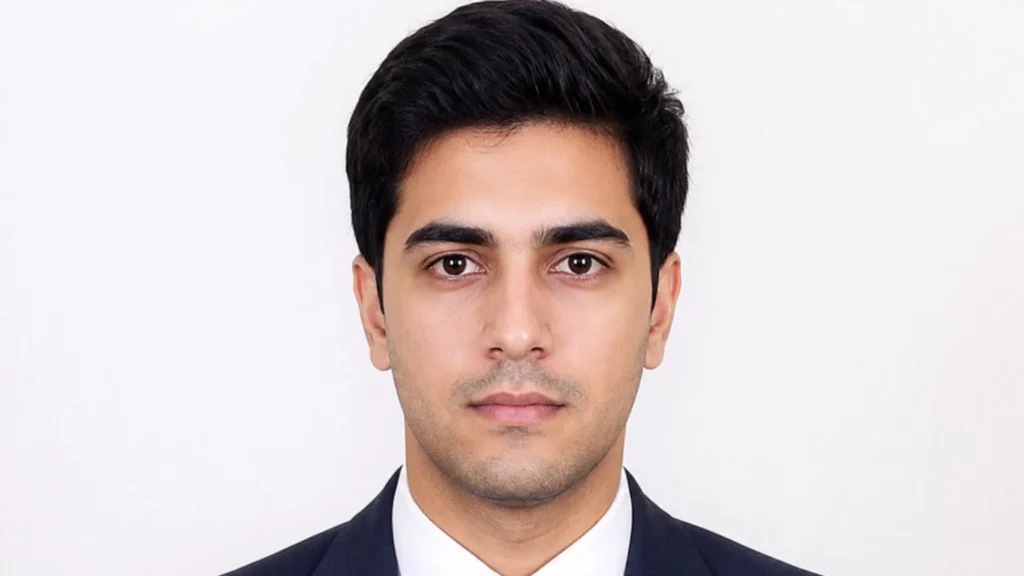
Head Size, Backgrounds, and Facial Expressions Explained
How your face fits into that frame, the color behind you, and the look on your face are all heavily scrutinized. The biometric verification software used by consulates in 2026 is unforgiving.
Head Height. Getting the head size right is another major source of rejection. In the US, your head must measure between 1 inch and 1 3/8 inches (25-35 mm) from the chin to the top of your hair.
In Europe, the rule is usually that your face should occupy 70-80% of the total photo height, which translates to about 32-36 mm from chin to crown for most countries. This means the photo is taken closer to your face than a typical selfie.
Background Rules. For the US, the background must be plain white or off-white, completely free of shadows, textures, or objects. Europe generally requires a light background, but the specifics can vary.
For example, France specifically prohibits pure white backgrounds and requires a light grey or light blue backdrop. Germany also has a preference for a neutral grey. It’s a detail that’s easy to miss but crucial for compliance.
Facial Expression. The “passport face” is real. You must face the camera directly with a neutral expression—both eyes open, mouth closed, and no smiling. While the US officially allows a “natural smile,” automated systems often reject photos with visible teeth. To be safe, keep your expression completely neutral.
Key Takeaway:
- Head size: US rules use a specific measurement (1-1 3/8 inches), while European rules often use a percentage of the frame (70-80%).
- Background: US wants pure white. Europe prefers light grey, and some countries like France explicitly ban white backgrounds.
- Expression: Always choose a neutral expression with your mouth closed to be safe for any country.
Getting Passport Photos in the US
When you’re in the US and need a photo for a US passport, your options are plentiful and convenient.
Retail Pharmacies.
- CVS Passport Photos: CVS is a go-to for many. They have a dedicated passport photo service that prints your 2×2 inch photos right in the store, usually for around $15-17. You can even check if “CVS passport photos” are available at a location near you.
- Walgreens Passport Photos: Similar to CVS, Walgreens is another popular choice. If you’re asking “does Walgreens do passport photos,” the answer is yes. They offer the same quick and convenient service.
- Staples Passport Photos: You can also go to Staples. “Staples passport photos” are a reliable option for getting compliant photos quickly.
Other Services.
- AAA Passport Photos: If you’re a member, “aaa passport photos” are often available at a discount, making it a great benefit for frequent travelers.
- USPS and Other Acceptance Facilities: Many post offices and other passport acceptance facilities will also take your photo when you apply.
- DIY with a Digital Tool. You can use a free “passport photo maker” tool online to create your own photo from a selfie. These tools allow you to crop and size the image for the US 2×2 standard. Once you have your digital photo, you can print it yourself or use an online service to have it printed. This is a budget-friendly option if you’re looking for “digital passport photos near me.”
Getting Photos for Europe: What You Need to Know
If you’re in the US preparing for a European trip, or if you’re already in Europe, your strategy changes.
In the US. Most retail pharmacies like CVS and Walgreens are set up primarily for the US 2×2 standard. For a Schengen visa, you need a 35×45 mm photo. While a CVS employee might be able to help with a European photo, it’s not their standard service.
In Europe. If you’re already in Europe, your best bet is to go to a professional photo studio that specializes in biometric passport photos. In countries like Germany, studios often offer passport photos with a QR code for digital transmission to government offices, making the process seamless. These studios are also much better at handling specific country requirements, like France’s ban on white backgrounds.
DIY for Europe. You can also use a DIY “passport photo maker” tool. Most of these tools have presets for different countries, allowing you to choose the “EU / Schengen” or “UK” option to get the correct 35×45 mm crop . This is a great solution if you’re in a pinch or need to apply for a visa online.
Digital vs. Physical Photos: What You Actually Need
Another huge shift in 2026 is the move from physical prints to digital uploads. It’s essential to know what your specific application requires.
Digital-Only. More and more applications are moving online. This is often the case for US passport renewals, various US visa applications (like the DS-160), and e-visa portals for many countries like India or Turkey. You’ll upload a digital photo that meets specific file size and pixel requirements. For instance, a “digital passport photo” for a US visa usually needs to be between 54 KB and 10 MB.
Physical Prints Still Required. Some applications still require physical prints. In the US, this is common for mail-in passport applications. For Schengen visas, you often need to submit two physical 35×45 mm photos with your application form. The stakes are high: for many Schengen visa applications, the photo must be glued to the application form.
AI and Editing Bans. A critical rule for 2026 is the ban on AI-edited or retouched photos. European consulates and the US Department of State are now using software that can detect digital manipulation. Filters, smoothing, or any kind of AI enhancement will trigger a rejection. Your photo must be an accurate representation of your appearance.
Key Takeaway:
- Check if your application requires a digital upload or physical prints.
- Never edit, filter, or retouch your passport photo—it will be detected and rejected in 2026.
The Golden Rule: Always Check the Source
I can’t stress this enough: for all the tips and tricks, the ultimate authority is the official government website for the country you are applying to.
- For the United States, check the U.S. Department of State’s travel.state.gov .
- For a Schengen visa, check the website of the consulate of the specific country you are visiting.
- For the UK, check the official gov.uk website.
Rules change. Countries update their requirements. In May 2025, Germany implemented a new rule requiring digital biometric photos taken at an authorized Bürgeramt for certain applications. You don’t want to be caught off guard by a change you missed.
Q: What happens if my passport photo doesn’t meet the requirements?
A: Your application will be put on hold or rejected. You’ll have to provide a new, compliant photo, which will delay your processing time.
Q: Can I smile in my passport photo?
A: While some countries tolerate a slight smile, it’s safest to go with a completely neutral expression with your mouth closed. Automated verification systems often reject photos showing teeth.
Q: Do I need to take off my glasses for a passport photo?
A: Yes, most countries require you to remove glasses for passport photos. This helps with biometric facial recognition. Medical exceptions are sometimes made with documentation.
Q: How long is a passport photo valid?
A: For most countries, including the US and Schengen countries, the photo must be taken within 6 months of your application. Your photo must also reflect your current appearance.
Q: Can I use my phone to take a passport photo?
A: Yes, you can take a photo with your phone, but you must follow all the rules (white/light background, good lighting, correct head size) and use a “passport photo maker” tool to crop it to the correct specifications. It’s a cheap and effective option if you have a good eye for detail.
Conclusion
Navigating the world of passport photos for the USA and Europe doesn’t have to be a nightmare. The core difference is the size: 2×2 inches for the US, and 35×45 mm for Europe. But beyond that, you need to pay careful attention to head height, background color, and facial expressions. And in 2026, the most important rule is to submit an unedited, unretouched photo.
Bottom Line: Getting your passport photo right means knowing the exact requirements for your destination country and applying methodically. Use a reputable service or a verified DIY tool, and always double-check the official government guidelines before submitting.
CTA: Need more travel tips for your upcoming trip? Explore our guide on visa requirements and packing hacks for your transatlantic adventure. Have questions? Drop a comment below!
Read More: Best Expedia Hotels 2026